
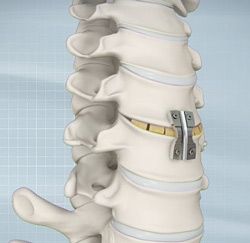
Anterior cervical discectomy and fusion (ACDF)
Through a small incision at the front of the neck, the spinal surgeon removes the disc and any bone spurs pressing on the nerve, then places a spacer so the two vertebrae fuse.
Patient guide
A problem in the neck often does not feel like a neck problem. It can show up as pain over the shoulder or shoulder blade, an ache down the arm, or tingling and numbness in the fingers.
That is why neck conditions are often mistaken for a shoulder, elbow or hand problem, and why the reverse happens too. This guide explains how the two are told apart, what tests help, and how treatment is organised.

Written by Mr Alistair Jepson
Consultant Orthopaedic Surgeon · GMC 4104128
Why it is easily missed
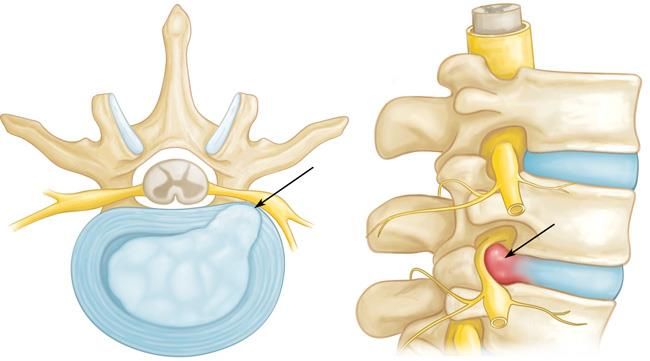
The nerves that supply the shoulder, arm and hand all leave the spinal cord in the neck. Because the same nerves serve both areas, the brain cannot always tell where a pain signal began. This is called referred pain.
Neck pain is often felt over the top of the shoulder and around the shoulder blade, so it can feel exactly like a shoulder problem.
Nerve pain that travels down past the elbow into the forearm or hand points more towards the neck than the shoulder.
A nerve can be pinched in two places, in the neck and again at the wrist or elbow. Each pinch makes the other more noticeable, and both may need attention.
It is common to have a neck problem and a shoulder problem at the same time. Treating only one may leave some symptoms behind.
How the neck works
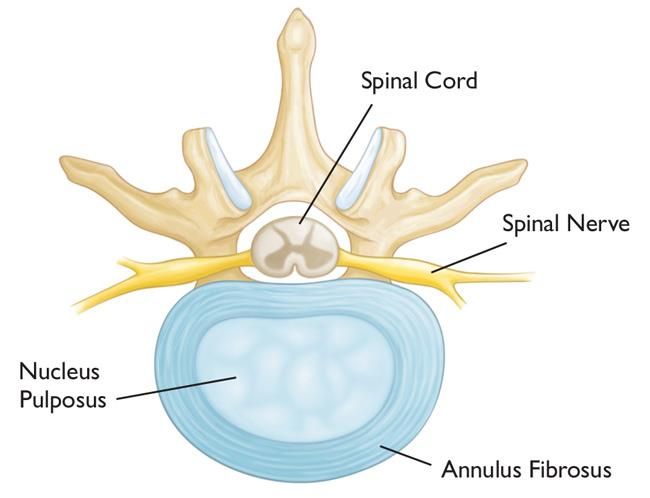
The neck, or cervical spine, is made of seven small bones called vertebrae, numbered C1 to C7 from the top. Between most of them sits a disc, a tough cushion with a softer centre that absorbs load and lets the neck bend and turn.
At each level a pair of nerve roots leaves the spinal canal through a small opening between the vertebrae. Together these roots form the nerves that supply the skin, muscles and joints of the shoulder, arm and hand. Anything that narrows those openings can irritate a nerve root.
A "trapped nerve"
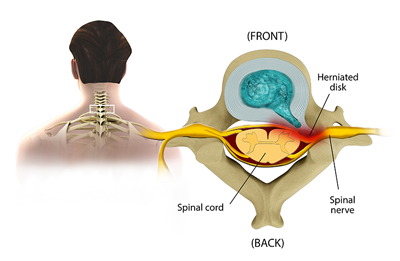
Cervical radiculopathy means a nerve root in the neck is being pressed or irritated, most often by a bulging disc or a small spur of bone. It is what many people call a trapped nerve.
Wear in the neck
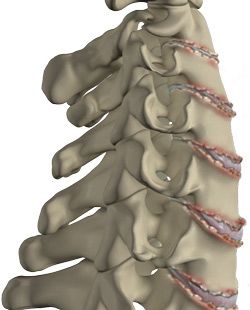
Cervical spondylosis is the age-related wear of the discs and the small facet joints at the back of the neck. Discs lose height and the joints develop arthritis and bony spurs. Many people have these changes on a scan without any symptoms.
When it does cause trouble, the usual pattern is neck stiffness and an ache that may spread to the shoulders. Over time the spurs and thinner discs can narrow the openings for the nerve roots, leading to the arm symptoms described above, or, less often, the space for the spinal cord itself.
Telling them apart
No single clue is certain, and many people have features of both. These are the patterns a specialist looks for during the consultation.
Points to the neck
Turning, tilting or looking up with the head.
Points to the shoulder
Lifting the arm, reaching overhead or behind the back, and a painful arc as the arm rises.
Points to the neck
Below the elbow into the forearm or hand, often in a band down the arm.
Points to the shoulder
Around the shoulder and outer upper arm, usually stopping above the elbow.
Points to the neck
Some people find arm pain eases by resting the hand on top of the head.
Points to the shoulder
Pain lying on the affected shoulder that wakes you.
Points to the neck
A stiff neck, while the shoulder itself moves freely.
Points to the shoulder
Loss of shoulder movement, as seen in frozen shoulder.
Points to the neck
Numbness following a band down the whole arm, often with neck symptoms.
Points to the wrist or elbow
Thumb to ring finger, worse at night: carpal tunnel. Ring and little fingers, worse with the elbow bent: cubital tunnel.
| Clue | Points towards the neck | Points towards the shoulder, elbow or hand |
|---|---|---|
| What makes it worse | Turning, tilting or looking up with the head. | Lifting the arm, reaching overhead or behind the back, and a painful arc as the arm rises. |
| Where the pain spreads | Below the elbow into the forearm or hand, often in a band down the arm. | Around the shoulder and outer upper arm, usually stopping above the elbow. |
| At night | Some people find arm pain eases by resting the hand on top of the head. | Pain lying on the affected shoulder that wakes you. |
| Movement | A stiff neck, while the shoulder itself moves freely. | Loss of shoulder movement, as seen in frozen shoulder. |
| Tingling and numbness | Numbness following a band down the whole arm, often with neck symptoms. | Thumb to ring finger, worse at night: carpal tunnel syndrome. Ring and little fingers, worse with the elbow bent: cubital tunnel syndrome. |
Each nerve root in the neck supplies its own strip of the arm. When one is irritated, symptoms tend to follow that strip, which is why some neck problems mimic very specific arm and hand conditions.
C7
Symptoms in the middle finger and down the back of the arm.
Can be confused with problems at the elbow or wrist.
Finding the source
Mr Jepson is a Consultant Orthopaedic Surgeon specialising in the shoulder, elbow, hand and wrist. His role is to work out whether your symptoms come from the neck, the shoulder, a nerve in the arm, or more than one of these, and to arrange the right next step.
A careful account of where symptoms are and what brings them on, then examination of the neck, shoulder, elbow and hand, with checks of muscle strength, sensation and reflexes.
The head is gently tilted towards the painful side with light pressure from above. If this brings on your arm symptoms, a trapped nerve in the neck becomes more likely. It is stopped straight away if uncomfortable.
MRI shows the discs, nerve roots and spinal cord. Because wear is common on scans, the findings are always matched against your symptoms and examination.
These measure how well nerves carry signals and can show whether a nerve is being pinched at the wrist or elbow, in the neck, or in both places.
Sometimes local anaesthetic is injected into the shoulder. If the pain settles for a few hours, the shoulder is the main source; if it does not, the neck becomes more likely.
Read more about MRI, open and upright scanners and guided injections in the imaging and scans guide.
First steps
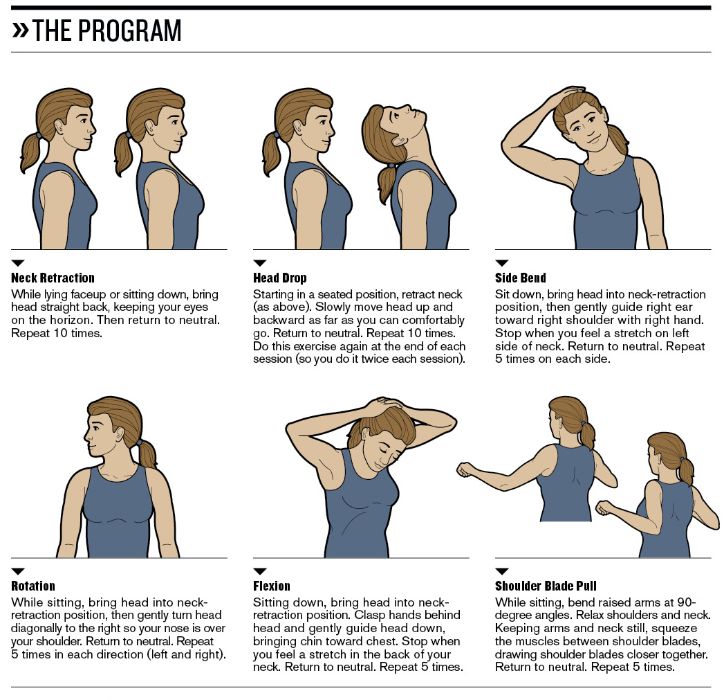
Many episodes of neck pain and trapped nerve settle with time, often over weeks to a few months. Treatment aims to ease symptoms and keep you moving while that happens.
Exercises are best started with guidance from a physiotherapist, who can tailor them to your neck and check your technique.
When symptoms persist
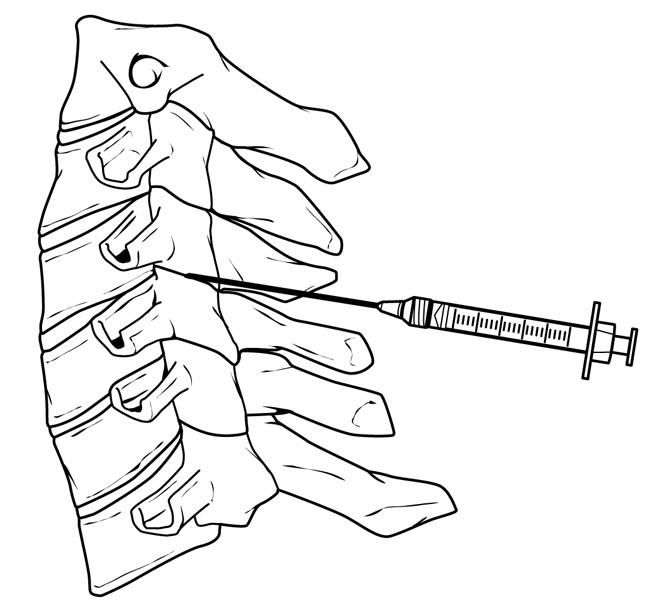
If arm pain from a trapped nerve does not settle, a nerve root injection may help. It is carried out by a radiologist or pain specialist, using X-ray or CT guidance to place a small amount of steroid and local anaesthetic next to the nerve root.
The aim is to calm inflammation around the nerve. It can also help confirm the source of pain: if the arm symptoms ease, the nerve root in the neck is likely to be responsible.
A short-lived flare of pain, temporary numbness or weakness in the arm, and headache. Infection, bleeding and nerve injury are uncommon, and serious complications are rare. The specialist doing the injection will go through these with you beforehand.
Specialist spinal care
When symptoms persist despite treatment, or weakness is getting worse, surgery on the neck may be considered by a spinal surgeon. Mr Jepson does not operate on the spine: when the neck needs specialist care, he refers you to trusted spinal surgeon colleagues and continues to look after any shoulder, elbow or hand problem alongside.
Through a small incision at the front of the neck, the spinal surgeon removes the disc and any bone spurs pressing on the nerve, then places a spacer so the two vertebrae fuse.
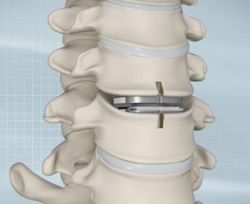
For suitable patients, the spinal surgeon removes the worn disc and replaces it with an artificial disc designed to keep movement at that level of the neck.
Most neck and arm pain is not serious. Occasionally, though, symptoms can mean pressure on the spinal cord (myelopathy) or another serious cause. Please seek advice promptly if you notice:
Contact your GP or NHS 111 the same day. If symptoms are severe or came on suddenly, go to A&E.
Your questions
Yes. Pain from the neck is often felt over the top of the shoulder and around the shoulder blade, and an irritated C5 nerve root can cause pain on the outer shoulder and upper arm that feels very like a rotator cuff problem.
They can. A trapped C6 nerve root causes tingling in the thumb and index finger, similar to carpal tunnel syndrome. Examination and nerve conduction studies help show whether the pinch is at the wrist, in the neck or both.
Yes, and it is common. A nerve can also be pinched in the neck and at the wrist or elbow together, called double crush. Working out the contribution of each helps make sure treatment is aimed at the right place.
Not always. An MRI is usually arranged when symptoms persist, there is weakness, or the cause is unclear after examination. The imaging guide explains the scans available.
No. Mr Jepson specialises in the shoulder, elbow, hand and wrist. He assesses where your symptoms come from, treats the upper limb problem, and refers you to trusted spinal surgeon colleagues if your neck needs specialist spinal care.
Mr Jepson sees private patients in Northampton and Kettering. See clinic locations for addresses and directions.
Depending on your needs, physiotherapists, radiologists and pain specialists may be involved. Find out more about Mr Jepson and the team he works with on the about page.
Shoulder, elbow and hand conditions that are often confused with a problem in the neck.
Call to arrange a consultation, book online for Circle Three Shires Hospital in Northampton, or send a short email and the practice team will come back to you.
Read independent patient reviews on Doctify (opens in a new tab), iWantGreatCare (opens in a new tab) or Google reviews (opens in a new tab)