
Patient guide
Aftercare and wearing your sling
Almost all of Mr Jepson's operations are day cases, so most of your recovery happens at home. This guide covers the first weeks after shoulder, elbow, hand or wrist surgery: wearing your sling, caring for the wound, managing pain and swelling, everyday life, therapy and your follow-up appointments.
For the day itself, from admission and anaesthetic to going home, see your day of surgery guide.
In this guide
Your written discharge instructions always come first, because they are specific to your operation. Recovery after particular procedures is covered in each condition guide.
How to put on and adjust your sling
This is the sling Mr Jepson uses. The short video shows how to put it on and adjust it so your arm is properly supported and comfortable.

-
Elbow bent, forearm supported
Your elbow should sit bent in the sling, with the whole forearm resting in it rather than hanging at the wrist.
-
Hand slightly higher than the elbow
Keeping the hand a little above the elbow helps reduce swelling in the hand and fingers.
-
Strap padded at the neck
Make sure the padding sits where the strap crosses your neck, so it does not rub or dig in.
-
Fit checked before you go home
A nurse will check the fit on the ward before you leave. Ask them to show you how to adjust it yourself.
Wearing your sling
How long you need the sling depends on the operation you have had. Your discharge instructions will tell you how long to wear it, and Mr Jepson will confirm this at your review.
After a repair, such as a tendon repair or a stabilisation, the sling protects the repair while it heals. Avoid lifting, pushing or reaching with the arm until you are told it is safe.
-
Wear it at night as advised
Most people are asked to keep the sling on in bed for the early weeks, so the arm is protected if you move in your sleep.
-
Take it off only when you have been told you can
If your instructions allow it, remove the sling only for washing, dressing and your exercises, keeping the arm relaxed by your side, then put it straight back on.
-
Keep your fingers, wrist and elbow moving
Unless you have been told otherwise, gently make a fist and straighten your fingers, and bend and straighten your wrist and elbow, regularly through the day. This eases swelling and stops these joints stiffening.
-
Readjust it when it feels uncomfortable
If the strap rubs or your hand drops below your elbow, readjust it as shown in the video above.
Caring for your wound
A clean, dry dressing gives the wound the best chance of healing well. Arthroscopic (keyhole) operations leave a few small wounds; open operations leave a single longer one.
Keep the dressing clean and dry
Leave the dressing in place and do not remove it unless you have been told to. If it becomes wet, soiled or starts to come away, contact the hospital ward or the practice for advice.
Washing around it
Wash with a flannel, keeping water away from the dressing. If you have been given a waterproof dressing you may be able to shower, but keep the shower short and pat the area dry. Avoid baths and swimming until the wound has healed.
Stitches or glue
Your wound may be closed with dissolvable stitches, stitches that need removing, or skin glue. Your discharge paperwork will say which. Do not put creams or lotions on the wound unless advised.
Wound check
The wound is usually checked at about 10 to 14 days after surgery. Any stitches that need removing are taken out then, and you will be told when the wound can get wet.
Managing pain and swelling
Some pain and swelling is normal in the first days. Staying ahead of it makes it easier to sleep, move your fingers and do your exercises.
If you had a nerve block
Your arm may still be numb and heavy when you get home. What to expect while the block wears off, and how to protect the arm, is explained in the day of surgery guide.
-
Take painkillers regularly at first
For the first few days, take the painkillers you were given at regular times rather than waiting for pain to build, following the instructions on the pack. Cut down gradually as the pain eases.
-
Ice packs, wrapped and only once feeling returns
Cold helps pain and swelling. Always wrap an ice pack in a cloth, keep the dressing dry, and only use it once normal feeling has returned, as numb skin cannot warn you if it is getting too cold.
-
Raise the hand after hand and wrist surgery
Keep your hand above the level of your heart as much as you can, resting it on pillows when sitting or lying down. This is one of the most effective ways to control swelling and throbbing.
Everyday life while you recover
Managing one-handed takes a little planning. Having help at home for the first few days makes a real difference.
Washing
Keep the dressing dry as described above. After shoulder surgery, lean forward and let the arm hang gently to wash under the armpit, if you have been told you can take the sling off.
Dressing
Put the operated arm in first and take it out last. Loose, front-opening tops and slip-on shoes are easiest to manage.
Sleeping
After shoulder surgery, many people sleep better semi-upright, propped on pillows or in a reclining chair, with a pillow supporting the arm.
Returning to work
When you can go back depends on your job and your operation. Desk-based work usually comes sooner than manual work. Mr Jepson will discuss this with you.
Driving after surgery
There is no set date for getting back behind the wheel; it varies from person to person.
- You must not drive one-handed. UK rules expect both hands on the steering wheel unless the DVLA has given you specific permission.
- The recommended time in your sling is the minimum before you consider driving, not the point at which you can start.
- You need to be able to move your shoulder without help and react safely in an emergency, staying in control of the car at all times.
- Do not drive while taking strong painkillers that make you drowsy, or for at least 24 hours after an anaesthetic.
- You only need to tell the DVLA if problems affecting safe driving are likely to last more than three months after your surgery.
- Check with Mr Jepson, your physiotherapist and your insurer before you drive again.
Exercises and therapy
Rehabilitation is as important as the operation itself. After shoulder and elbow surgery this usually means physiotherapy; after hand and wrist surgery it often means hand therapy. Where you need it, therapy is arranged as part of your care.
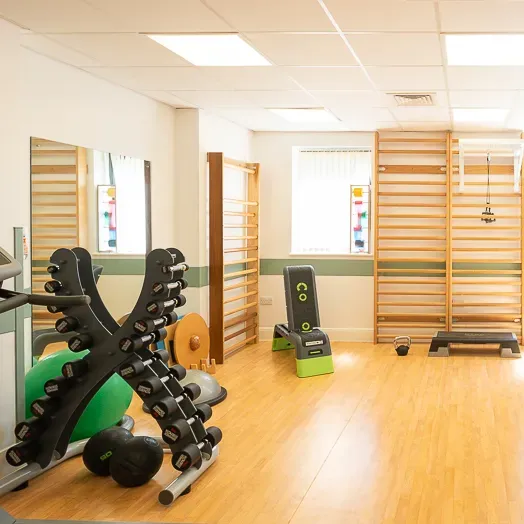
Physiotherapy after shoulder and elbow surgery
Physiotherapy has two jobs that have to be balanced: protecting whatever has been repaired while it heals, and gradually restoring the movement and strength you need for everyday life. A physiotherapist guides that balance so you neither push too hard too soon nor stiffen up by doing too little.
When it starts
This depends on the operation. After some procedures physiotherapy begins soon after surgery; after a repair, the early stage is kept deliberately gentle to protect healing tissue. Mr Jepson's team confirms the plan for you, and your discharge paperwork says when your first session should be.
Arranging your sessions
Sessions can often be arranged at the hospital's physiotherapy department, or with a physiotherapist closer to home. If you see someone locally, take your discharge information with you so they know which operation you had and any movements to avoid.
How the stages usually progress
Each stage begins only when your physiotherapist and Mr Jepson are happy that the previous one is safely under way.
-
Gentle passive movement
While you are still in the sling, the joint is moved for you, by the therapist or your other arm, with the muscles kept relaxed.
-
Active movement
Once it is safe, you start moving the arm using your own muscles, building up the range of movement.
-
Strengthening
Exercises against resistance rebuild strength and control, preparing you for work, sport and daily tasks.
Exercises at home between sessions
Most of your progress happens at home. Short sessions spread through the day keep the joint moving without overloading healing tissue, and are easier to fit in than one long session.
- Do only the exercises you have been shown, in the way you were shown them.
- Little and often works better than long sessions, and timing them after your painkillers can help.
- Some discomfort is expected, but stop if an exercise causes sharp pain and mention it to your physiotherapist.
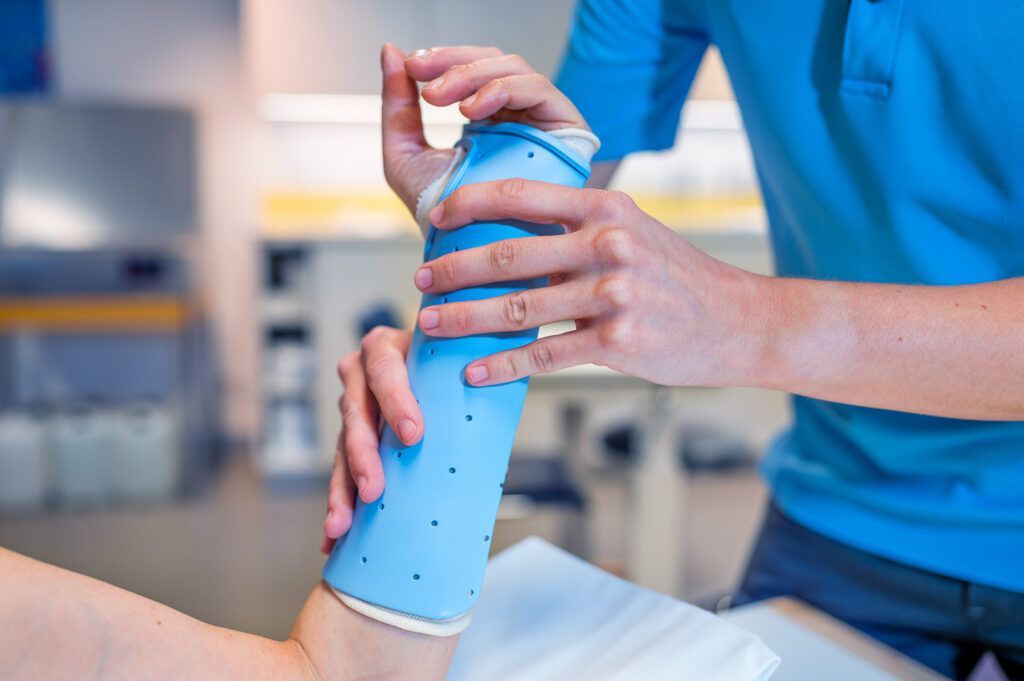
Hand therapy after hand and wrist surgery
A hand therapist is a physiotherapist or occupational therapist who specialises in the hand and wrist. The hand is small, with many joints and tendons working closely together, so specialist guidance helps it heal well and regain its fine movement.
What hand therapy covers
-
Custom-made splints
Thermoplastic splints are moulded to your own hand. Depending on your operation, a splint may protect a repair or a healing bone, rest a joint, or gently hold the fingers straight. Your therapist explains when to wear it, whether at night or through the day, and adjusts it as you heal.
-
Controlling swelling
Keeping the hand raised, moving the fingers regularly and, where helpful, gentle compression all help reduce swelling, which in turn eases stiffness and discomfort.
-
Scar care and massage
Once the wound has fully healed, your therapist shows you how to massage the scar to help soften it and reduce tenderness.
-
Exercises for the fingers, thumb and wrist
Specific exercises keep the tendons gliding and the joints moving, progressing as healing allows.
-
A gradual return to grip, work and daily tasks
Grip and strength work is built up step by step, with practical advice on getting back to work, hobbies and everyday jobs around the home.
Where hand therapy is commonly used
Not every hand operation needs formal therapy, but it is often part of recovery after these procedures. Each guide explains recovery for that operation in more detail.
Mr Jepson works closely with experienced hand therapists. Meet the hand therapists Mr Jepson works with.
Your follow-up appointments
Mr Jepson sees you after surgery to check your progress and plan the next stage of your recovery, at Circle Three Shires Hospital in Northampton or Woodland Hospital in Kettering.
-
Wound check
At about 10 to 14 days, the wound is checked and any stitches that need removing are taken out.
-
Review with Mr Jepson
He checks your movement and healing, explains what was found and done at surgery, and confirms when to stop wearing the sling.
-
Further reviews as needed
Depending on your operation, you may be seen again as your therapy progresses, until you are back to your usual activities.
The timing of your review depends on your operation and will be confirmed when you are discharged. Find directions and parking for both hospitals.
Letters from your follow-up appointments appear in your secure Carebit patient dashboard, so you can read them whenever you need to. If the practice team asks to see your wound, you can upload a photo through the dashboard rather than emailing it. The dashboard is not monitored for urgent problems, so if you are worried about your wound or recovery, follow the advice on when to call below.
How the patient portal works, in the patient FAQs Sign in to your patient dashboard (opens in a new tab)
When to call for advice
Problems after upper limb surgery are uncommon, but it is important to get advice early if something does not feel right. Call if you notice:
- Pain that keeps increasing rather than settling, despite your painkillers
- Spreading redness or heat around the wound, or a fever
- A wound that is leaking fluid or soaking through the dressing
- A hand or fingers that look pale or feel cold
- New numbness or tingling once the nerve block has worn off
Who to call
- The hospital where you had your operation, using the number on your discharge paperwork.
- Mr Jepson's practice team, who can arrange for you to be seen.
In an emergency, call 999. If you need urgent medical advice and cannot reach the hospital or the practice, call NHS 111.
Talk to the practice about your shoulder, elbow, hand or wrist
Call to arrange a consultation, book online for Circle Three Shires Hospital in Northampton, or send a short email and the practice team will come back to you.
Read independent patient reviews on Doctify (opens in a new tab), iWantGreatCare (opens in a new tab) or Google reviews (opens in a new tab)