General anaesthetic
You are asleep throughout the operation. A general anaesthetic is often combined with a nerve block, so the arm stays comfortable for several hours afterwards.
A guide for patients
Almost all shoulder, elbow, hand and wrist operations are done as a day case, so most patients go home the same day. A few larger operations, such as some shoulder replacements, may need one or more nights in hospital, and Mr Jepson will tell you in advance if that applies to you.
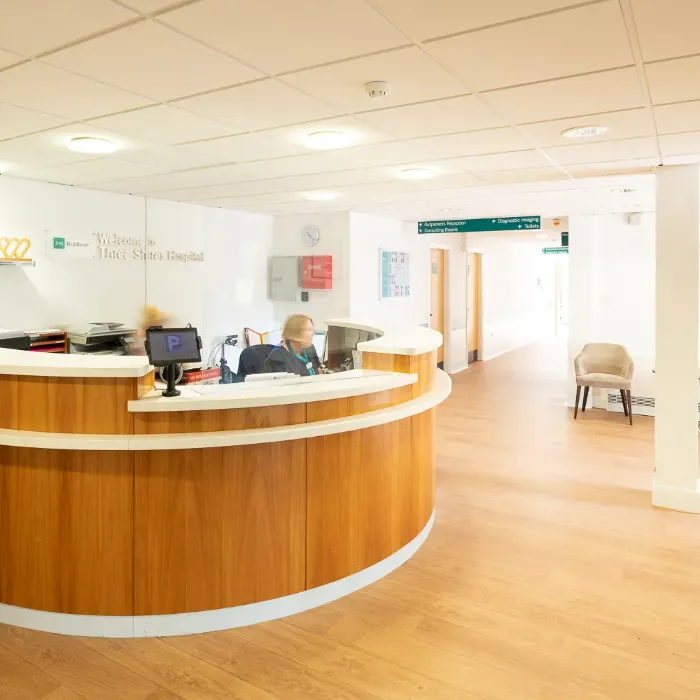
This guide explains each step for operations at Circle Three Shires Hospital in Northampton and Woodland Hospital in Kettering, in plain English, so you know what to expect and what to prepare.
Every hospital has its own routine, but the steps below are what most patients can expect. The hospital will send you its own written instructions, and those always come first.
If anything is unclear at any stage, contact the practice and the team will help.
Once you have decided together, the practice sends you a secure Concentric link so you can read about your own operation at home, note any questions and record your decision. Your questions are answered before you sign, and Mr Jepson confirms your consent with you in person on the day.
Each part of this is explained below in Consent with Concentric: deciding together.
Usually a nurse-led appointment, in person or by phone, a week or more before your operation. It makes sure you are ready and safe for your anaesthetic.
Remove all rings from the fingers of the hand on the side of your operation, ideally the night before, and leave them safely at home.
Why this matters: the hand and fingers often swell after surgery, even after a shoulder operation while the arm rests in a sling. A ring that fits comfortably now can quickly become tight and restrict the blood supply to the finger, and it may then have to be cut off. If a ring will not come off, tell the practice before the day.
The nursing team fits you with TED stockings. These are snug elastic stockings that keep blood moving in the leg veins and lower the risk of a blood clot while you are less active. The ward team will explain how to wear them and how long to keep them on.
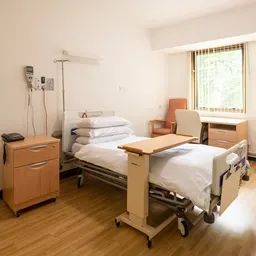
A physiotherapist visits you in your room on the day of your operation.
The aftercare and sling guide covers recovery at home in more detail.
You can usually go home once you have eaten and had a drink, any discharge medicines are ready for you, you have passed water, and your escort is with you. Going home below explains more. You go home with:
Consent is not a form to get through. It is how you and Mr Jepson make sure an operation is the right decision for you, with time to think and room for every question.
The practice uses Concentric, a secure digital consent system, so you can take that time at home rather than in a busy clinic room.

Mr Jepson talks with you openly about:
The practice sends you a secure Concentric link. Through it you can:
Any questions you raise are answered before you sign, by Mr Jepson or the practice team. There is no rush: you only sign once you feel you understand the operation and are comfortable with your decision.
On the day of your operation, Mr Jepson goes through your consent with you in person before the anaesthetic. It is a good moment to raise anything that has come to mind since you signed.
Signing does not lock you in. You can ask more questions, take more time or change your mind at any stage, including on the day of surgery.
Trouble opening the link?
If the link will not open or you find it difficult to use, call the practice on 01604 633730 and the team will help.
This is typical guidance for adults having a general anaesthetic or sedation. Fasting matters because an empty stomach reduces the risk of stomach contents entering the lungs while you are asleep.
The hospital's own written instructions always take priority.
If the times below differ from the ones the hospital gives you, follow the hospital's.
No food for 6 hours before. This includes milk, sweets and chewing gum.
Water, black tea or coffee without milk, or clear squash until 2 hours before, or the time the hospital gives you.
Take your usual medicines with a sip of water, unless you have been told otherwise at pre-assessment.
Morning list
Afternoon list
Operations done with local anaesthetic alone often need no fasting. If you are having a nerve block, you may still be asked to fast, in case sedation or a general anaesthetic is needed on the day. If you are unsure, call the practice on 01604 633730.
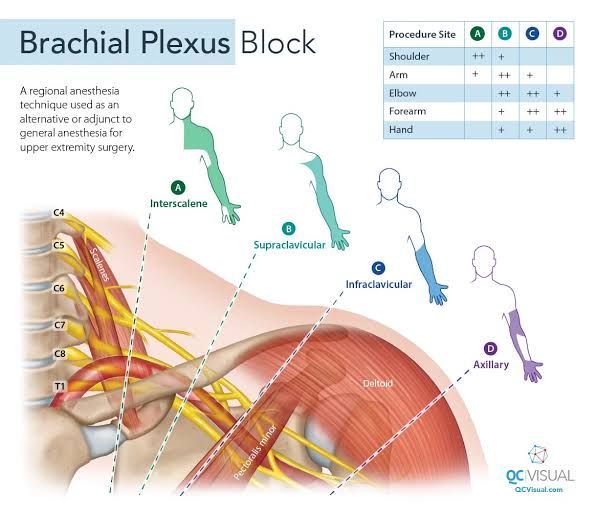
Upper limb surgery can often be done with a nerve block that numbs the arm, either on its own or alongside a general anaesthetic. Mr Jepson may suggest what usually suits your operation, but the anaesthetist, not the surgeon, makes the final recommendation with you on the day. Mr Jepson works with a regular group of experienced anaesthetists, described on his About page.
You are asleep throughout the operation. A general anaesthetic is often combined with a nerve block, so the arm stays comfortable for several hours afterwards.
For shoulder and upper arm surgery
An injection at the side of the neck, placed under ultrasound guidance. It is often combined with a general anaesthetic. Common temporary effects include a hoarse voice, a droopy eyelid on that side, and a feeling of breathlessness, because the nerve to the diaphragm is usually affected for a few hours. Tell the anaesthetist if you have significant lung problems.
For elbow, forearm, wrist and hand surgery
A supraclavicular, infraclavicular or axillary block, given around the collarbone or in the armpit. The whole arm goes numb, so many operations can be done with you awake or lightly sedated, without a general anaesthetic.
For smaller hand operations
Local anaesthetic is injected around the area being operated on, and you stay awake and comfortable. It suits operations such as carpal tunnel release and trigger finger release.
Wide Awake Local Anaesthetic No Tourniquet
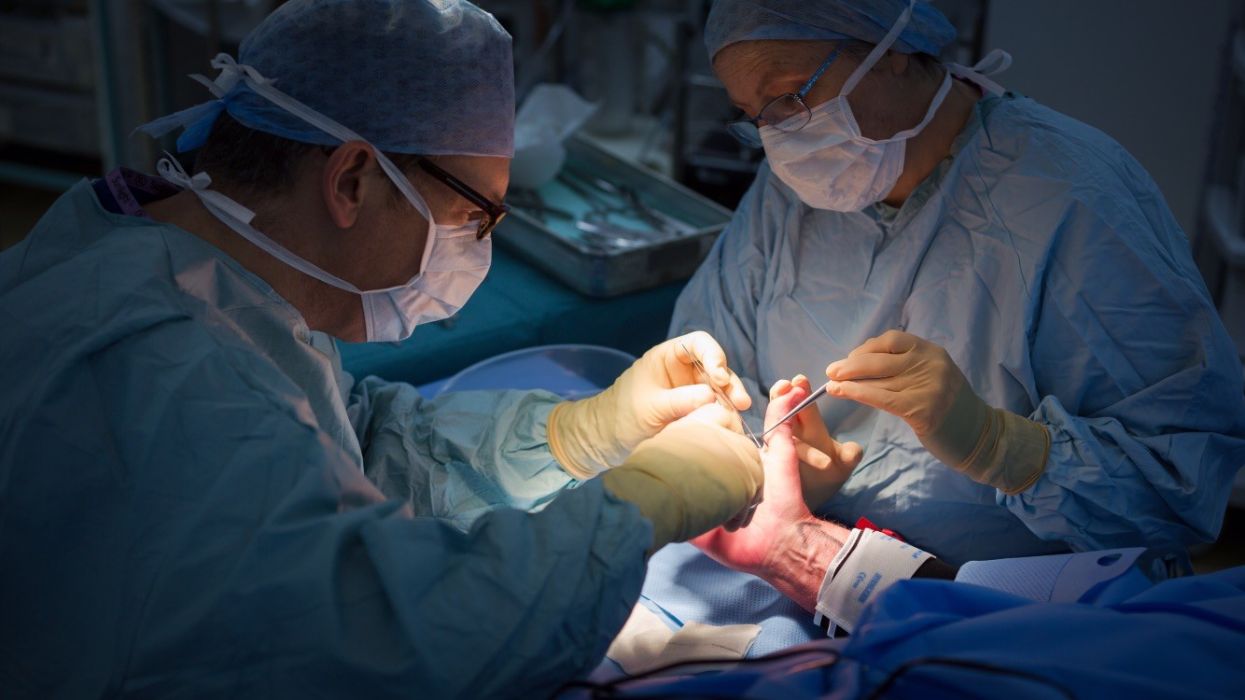
WALANT is a gentle, well-established way of doing many hand operations with you awake and comfortable, and without a general anaesthetic, sedation or a tight cuff on the arm.
Local anaesthetic mixed with a small amount of adrenaline is injected around the area being operated on. The adrenaline narrows the small blood vessels, so there is little bleeding and no tight tourniquet cuff is needed on the arm. You stay awake and comfortable, with no general anaesthetic or sedation.
It suits many common hand operations, for example carpal tunnel release, trigger finger release, Dupuytren's surgery and ganglion removal.
Because you are awake, Mr Jepson can ask you to move your fingers during the operation, to check that a tendon glides freely or a finger straightens before the wound is closed.
See eating and drinking before your operation for more on fasting.
WALANT is not right for everyone or for every operation. Mr Jepson will talk it through with you at your consultation, and a nerve block or a general anaesthetic remains an option if you would prefer not to be awake.
Read more about nerve blocks
The Royal College of Anaesthetists publishes a patient leaflet that explains nerve blocks for upper limb surgery in more detail:
Serious or lasting nerve problems after a nerve block are rare. Your anaesthetist will talk you through the benefits and risks of each option before anything is done.
After a nerve block, the arm may be numb and weak for several hours, and sometimes until the next day. This is expected, and feeling returns gradually.
Take the painkillers you were prescribed before the numbness fades, for example in the evening and again before bed, rather than waiting for pain to start. It is much easier to stay comfortable than to catch up once the pain has arrived.
Day case surgery means you recover in your own home, with clear instructions, a follow-up wound check and therapy arranged where you need it.
You can usually go home once:
Discharge is usually led by the nurses. Mr Jepson will try to see you before you leave if he can, but he would not want you waiting unnecessarily if you are ready to go home while he is still operating.
You must not drive yourself home, and must not drive for at least 24 hours after a general anaesthetic, sedation or a nerve block, so please arrange for someone to collect you. After that, when you can drive again depends on your operation, your sling or splint and your recovery, as explained in our guide to when you can drive again after surgery.
Blood clots after upper limb surgery are uncommon, and keeping active and well hydrated helps lower the risk. It is still important to know the signs.
A DVT is a blood clot in a vein in the leg. Signs include pain, swelling, warmth or redness in the calf or leg.
Contact the hospital or your GP promptly.
A PE is when a clot travels to the lungs. Signs include sudden breathlessness, chest pain or coughing up blood.
This is an emergency: call 999.
After a general anaesthetic or sedation:
Only drive again once you are out of the sling and can control the car safely, including an emergency stop. Check with your car insurer before you drive, as some policies have their own conditions after surgery.
Mr Jepson will give you guidance for your operation at your follow-up appointment.
Contact the hospital or the practice if you notice:
Call the ward at the hospital where you had your operation. The nursing team there can advise you and contact Mr Jepson if needed.
Circle Three Shires Hospital, Northampton
01604 620311
Woodland Hospital, Kettering – ward reception
01536 536833
For questions about your follow-up or therapy, call the practice on 01604 633730. In an emergency, call 999.
For recovery after a specific operation, see the guide for your condition on the conditions page.
The secure Concentric link is the usual route, because it lets you read about your operation at home, in your own time, and share it with family. If using it is difficult for any reason, for example you do not have a suitable device or the link will not open, call the practice on 01604 633730 and the team will help. Consent with Concentric above explains each step.
Often, yes. Operations done with local anaesthetic alone usually need no fasting. If you are having a nerve block, you may still be asked to fast in case sedation or a general anaesthetic is needed. Always follow the instructions the hospital gives you.
It depends on the operation and what you and the anaesthetist agree. Many elbow, wrist and hand operations can be done awake or with light sedation under a nerve block, and smaller hand operations under local anaesthetic. Shoulder operations are usually done with a general anaesthetic as well as a block.
After a nerve block, usually for several hours, and sometimes until the next day. Keep the arm in its sling, protect it from heat, cold and knocks, and start your painkillers before the feeling returns.
He will try to if he can. Discharge is usually led by the nurses, and Mr Jepson would not want you waiting unnecessarily if you are ready to go home while he is still operating. You return to your own room on the ward after Recovery, and can usually leave once you have eaten and had a drink, your discharge medicines are ready and you have passed water.
No. After a general anaesthetic or sedation you need an adult to take you home by car or taxi, and to stay with you for 24 hours. Please arrange this before the day.
Tell the practice as soon as you can, for example if you have a cough, cold, fever, or a cut or skin infection on the arm. It is sometimes safer to move the operation to a later date, and the team will help you decide.
If you have a problem after going home, call the hospital where you had your operation: Circle Three Shires Hospital on 01604 620311, or Woodland Hospital ward reception on 01536 536833. For questions about your follow-up or therapy, you can also call the practice on 01604 633730. In an emergency, call 999.
Call to arrange a consultation, book online for Circle Three Shires Hospital in Northampton, or send a short email and the practice team will come back to you.
Read independent patient reviews on Doctify (opens in a new tab), iWantGreatCare (opens in a new tab) or Google reviews (opens in a new tab)