
Hand & wrist
Carpal tunnel syndrome
Carpal tunnel syndrome happens when the median nerve is squeezed as it passes through a narrow channel at the front of the wrist. That pressure causes the tingling, pins and needles and numbness in the hand that so often wakes people at night.

Written by Mr Alistair Jepson
Consultant Orthopaedic Surgeon · GMC 4104128

Understanding the wrist
What is the carpal tunnel?
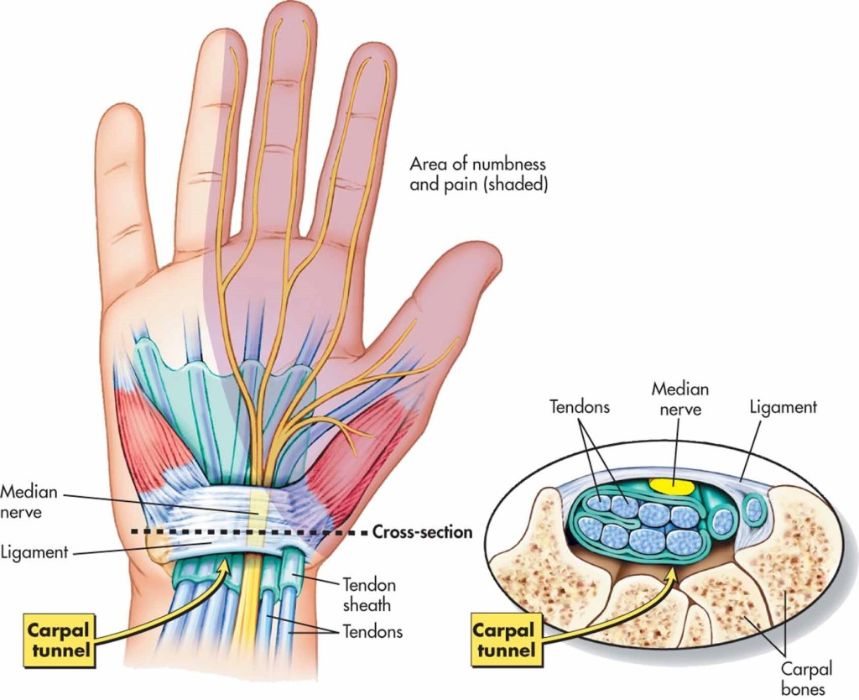
The carpal tunnel is a narrow channel at the base of the palm. Its floor and sides are formed by the small bones of the wrist, and its roof is a tough band of tissue called the transverse carpal ligament.
Running through this tunnel are the median nerve and the nine flexor tendons that bend your fingers and thumb. The median nerve gives feeling to the thumb, index, middle and half of the ring finger, and powers some of the small muscles at the base of the thumb.
Because the tunnel cannot stretch, anything that takes up extra room inside it, such as swelling of the tendon linings or fluid retention, tightens the space. The nerve is the most delicate structure in there, so it is the one that gets squeezed.
What you may notice
Symptoms of carpal tunnel syndrome
Symptoms usually come and go at first and can affect one or both hands.
Tingling and numbness
Pins and needles or numbness in the thumb, index, middle and half of the ring finger. The little finger is usually spared.
Waking at night
Many people wake with a numb or painful hand and find themselves shaking or flicking it to bring the feeling back.
Clumsiness and weak grip
Buttons, jar lids and small objects become fiddly, and some people start dropping things without meaning to.
Thumb muscle wasting
In longstanding cases the fleshy muscles at the base of the thumb can become thin as the nerve struggles.
Please don't wait it out if your numbness has become constant or you notice thinning at the base of your thumb. These are signs the nerve is under more sustained pressure and should be assessed promptly.
Who it affects
Why does it happen?
Carpal tunnel syndrome is common, and it is more likely in some people than others. Often no single cause is found, and that is perfectly normal: it does not change how well it can be treated.
Women
It is seen more often in women than men.
Pregnancy
Fluid changes can bring it on, and it often settles after the birth.
Middle age
It becomes more common from around the forties onwards.
Diabetes
Nerves can be more sensitive to pressure.
Underactive thyroid
Tissue changes can narrow the tunnel.
Inflammatory arthritis
Rheumatoid and other inflammatory arthritis can swell the tendon linings.
Previous wrist fracture
A change in the shape of the wrist can crowd the tunnel.
Fluid retention
Extra fluid in the tissues adds pressure inside the tunnel.
Repetitive or forceful wrist use
Heavy gripping, vibrating tools or long periods with the wrist bent can make symptoms worse.
Getting the diagnosis right
Conditions that can feel similar
Tingling in the hand does not always start at the wrist. Several other conditions can mimic carpal tunnel syndrome, and some can exist alongside it. That is why Mr Jepson takes a careful history and examines the neck, elbow and hand, not just the wrist.
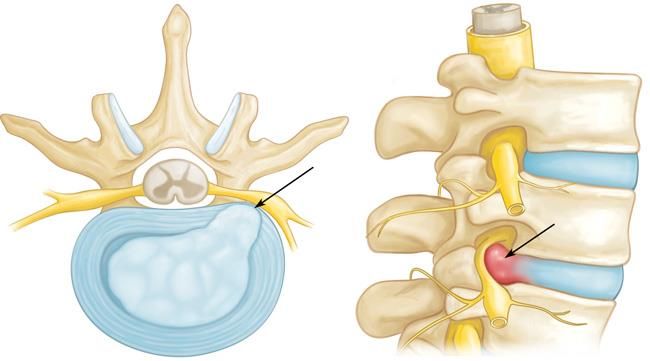
Nerve compression in the neck
Cervical radiculopathy, often from a disc, can send tingling down the arm into the hand. Neck pain or symptoms higher up the arm are useful clues.
Cubital tunnel syndrome
Pressure on the ulnar nerve at the elbow tends to affect the little and ring fingers rather than the thumb side of the hand.
Thumb base arthritis
Aching at the base of the thumb and a weak pinch can overlap with carpal tunnel. Read about thumb base arthritis.
Your assessment
How carpal tunnel syndrome is diagnosed
-
History and examination
Mr Jepson asks about your symptoms and when they happen, then checks feeling and strength in the hand. Simple provocative tests, such as tapping over the nerve or holding the wrist bent, can reproduce the tingling.
-
Nerve conduction studies
Where needed, these tests measure how well signals travel along the median nerve. They confirm the diagnosis and show how severe the compression is, which helps guide treatment.
-
Ultrasound or other imaging
When the picture is less clear, an ultrasound scan of the wrist or imaging of the neck can help rule out other causes and show what is happening around the nerve.
Treatment without surgery
Non-surgical treatment
For many people with milder or intermittent symptoms, simple measures are the right place to start.
Night wrist splints
A splint holding the wrist straight, in a neutral position, stops it curling up while you sleep and can ease night-time symptoms.
Changing aggravating activities
Taking breaks from gripping, vibrating tools or prolonged wrist bending, and adjusting how you work, can reduce pressure on the nerve.
Treating underlying conditions
Good control of diabetes, thyroid problems or inflammatory arthritis can help the symptoms settle.
Hand therapy
Specialist hand therapists can fit splints and teach nerve and tendon gliding exercises. Meet the team Mr Jepson works with.
Steroid injection
An injection into the carpal tunnel reduces swelling around the nerve. It often helps, especially for milder symptoms or during pregnancy when surgery is best avoided. The relief can be lasting for some people, but symptoms can return, and if they do Mr Jepson will talk through the next step with you.
Surgery
Carpal tunnel release
When surgery is advised
- Symptoms keep coming back or persist despite splints, injection and other non-surgical care.
- Numbness has become constant rather than coming and going.
- There is weakness or wasting of the muscles at the base of the thumb.
- Nerve conduction studies show significant compression of the median nerve.
What the operation involves
Carpal tunnel release, also called carpal tunnel decompression, is usually a day-case procedure and is often done under local anaesthetic, so you can go home the same day.
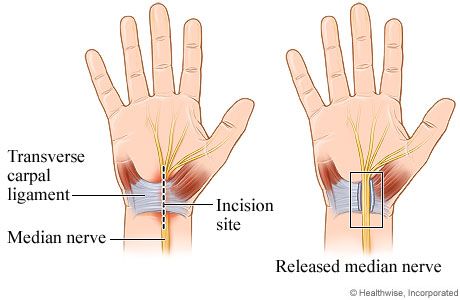
Through a small cut at the base of the palm, the transverse carpal ligament that forms the roof of the tunnel is divided. This makes more room for the median nerve and takes the pressure off it. The ligament heals with a little more space than before.
Mr Jepson will discuss with you whether surgery is right for you, what you can expect, and the possible risks, so you can make the decision that suits you.
Consent with Concentric
Before any operation, Mr Jepson talks you through the benefits, risks and alternatives. The practice uses Concentric, a secure digital consent system, so you can read about your operation at home, ask questions and record your decision. Your consent is confirmed again on the day. Read more in the day of surgery guide.
To see what happens on the day of your operation, from pre-assessment to the anaesthetic and going home, read the day of surgery guide.
See it explained
Watch the video
This short video helps explain carpal tunnel syndrome and how it is treated. Mr Jepson is happy to go through anything it raises when you come for your consultation.

After surgery
Recovery after carpal tunnel release
Everyone heals at their own pace. This is general guidance, and you will be given advice specific to you after your operation.
Night tingling often eases early. Numbness that has been present for a long time may recover more slowly, and sometimes not completely.
-
The first few days
A bulky dressing protects the wound. Keep your hand raised to limit swelling, and gently move your fingers straight away to keep them supple.
-
Caring for the wound
Keep the wound clean and dry until it has been reviewed. Light everyday tasks are encouraged, avoiding heavy gripping.
-
Around ten to fourteen days
Stitches are removed or the wound is checked, and you can usually start to use the hand more normally.
-
The following weeks
Scar tenderness and pillar pain, an ache either side of the scar at the base of the palm, can take some weeks to settle. Massaging the scar once healed can help.
-
Driving and work
When you return depends on your job and your comfort. You should be able to control the car safely, including in an emergency, before driving.
Your questions
Common questions about carpal tunnel syndrome
Will it get better on its own?
Sometimes, particularly when it is linked to pregnancy or a temporary change in activity. Mild, intermittent symptoms often settle with splints and simple changes. Symptoms that are constant or getting worse are less likely to go away by themselves.
Is an injection or surgery better?
It depends on how severe your symptoms are and how long you have had them. An injection is a good option for milder symptoms and can avoid surgery for some people. Surgery offers a more permanent solution when symptoms persist, return or are more severe. Mr Jepson will talk through both with you.
Can both hands be done?
Yes. Some people choose to have both hands treated at the same time, while others prefer one at a time so they always have a free hand. Mr Jepson will help you decide what fits your home and work life.
Will I be awake during the operation?
Often, yes. Carpal tunnel release is commonly done under local anaesthetic, so the hand is numb but you are awake. Other anaesthetic options can be discussed if you would prefer.
When can I drive after surgery?
You should not drive home on the day. After that, it is safe to drive once you can grip the wheel firmly and control the car in an emergency, which varies from person to person. It is worth checking with your insurer too.
Where can I be seen?
Mr Jepson sees patients privately at Circle Three Shires Hospital in Northampton and Woodland Hospital in Kettering. See clinic locations.
Related conditions
Guides to conditions that are often confused with, or sit alongside, carpal tunnel syndrome.
- Cubital tunnel syndrome Ulnar nerve pressure at the elbow causing ring and little finger tingling. Read the guide
- Trigger finger and trigger thumb A finger or thumb that clicks, catches or locks when you bend it. Read the guide
- Thumb base (CMC) arthritis Aching at the base of the thumb and a weak pinch or grip. Read the guide
- Neck pain and cervical spine problems Trapped nerves in the neck that send tingling down into the hand. Read the guide
Talk to the practice about your shoulder, elbow, hand or wrist
Call to arrange a consultation, book online for Circle Three Shires Hospital in Northampton, or send a short email and the practice team will come back to you.
Read independent patient reviews on Doctify (opens in a new tab), iWantGreatCare (opens in a new tab) or Google reviews (opens in a new tab)